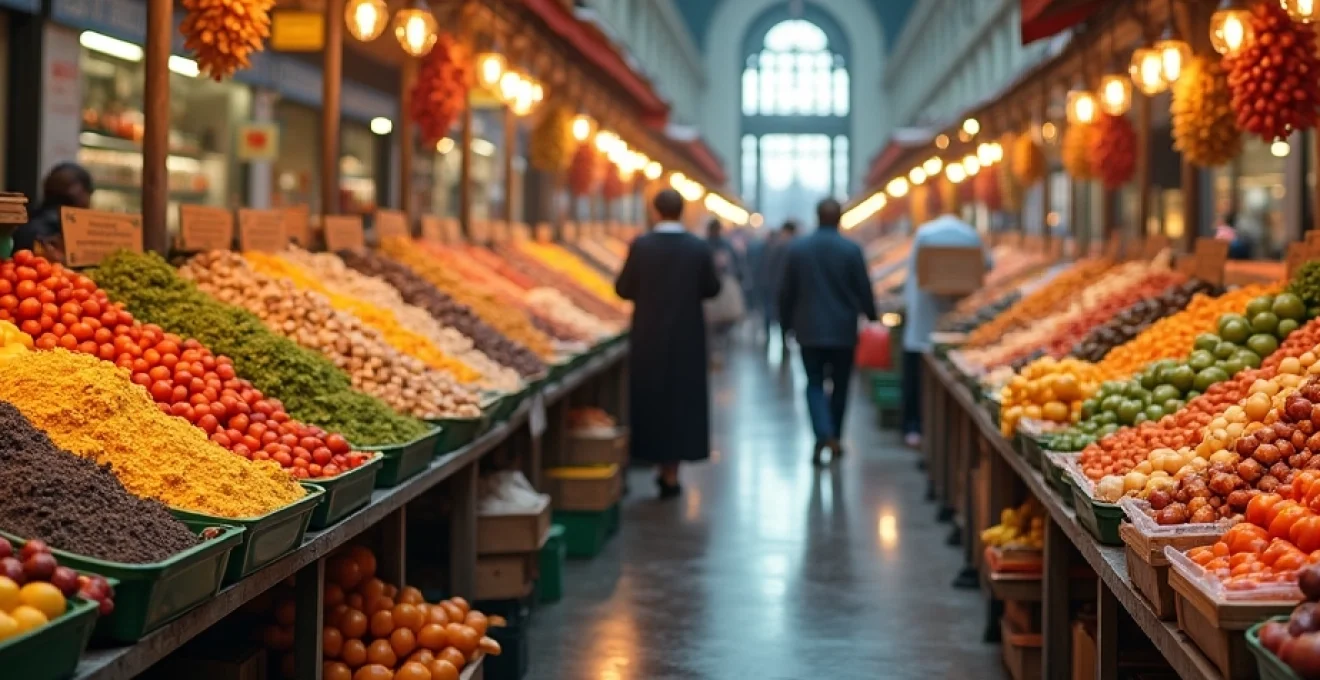
Food markets serve as vibrant hubs of culinary culture, offering a sensory feast that captivates visitors from around the globe. These bustling bazaars not only provide fresh, local produce and artisanal goods but also offer a window into the heart of a community’s gastronomic traditions. From the aromatic spice stalls of Marrakech to the seafood-laden counters of Tokyo, each market tells a unique story through its sights, smells, and flavours.
As you wander through these epicentres of epicurean delight, you’ll encounter a kaleidoscope of colours, a symphony of sounds, and an array of aromas that stimulate the senses and ignite the imagination. Whether you’re a seasoned foodie or a curious traveller, these markets offer an unparalleled opportunity to immerse yourself in the local food scene and discover the authentic tastes that define a region’s cuisine.
Global gastronomic hubs: iconic food markets worldwide
Food markets have long been the beating hearts of cities, serving as crucial meeting points for farmers, artisans, and urban dwellers. These bustling hubs are where culinary traditions are preserved, innovative flavours are born, and communities come together over a shared love of food. From the historic halls of London’s Borough Market to the labyrinthine alleys of Bangkok’s Chatuchak Weekend Market, each venue offers a unique glimpse into the local food culture.
In recent years, many of these markets have evolved beyond their traditional roles, becoming tourist attractions in their own right. They now serve as culinary destinations where visitors can sample local delicacies, watch skilled chefs at work, and purchase artisanal products to take home. This transformation has breathed new life into many urban areas, turning once-overlooked neighbourhoods into thriving food districts.
One such example is the Mercado de San Miguel in Madrid, which has become a symbol of the city’s gastronomic renaissance. This beautifully restored iron and glass structure, dating back to 1916, now houses dozens of gourmet food stalls, offering everything from fresh oysters to artisanal cheeses and exquisite tapas. It’s a perfect illustration of how traditional markets can adapt to modern tastes while preserving their historical essence.
Culinary cultural preservation: role of traditional markets
Traditional food markets play a crucial role in preserving culinary heritage and supporting local food systems. These markets serve as living museums, showcasing regional specialities and time-honoured cooking techniques that might otherwise be lost to modernisation. By providing a platform for small-scale producers and artisans, they help maintain the diversity of local food cultures and resist the homogenising effects of globalisation.
In many parts of the world, traditional markets are facing challenges from supermarkets and changing consumer habits. However, there’s a growing recognition of their importance, not just as sources of fresh food, but as vital social spaces that foster community cohesion. Efforts are being made to protect and revitalise these markets, ensuring they remain relevant in the 21st century.
The Tsukiji Outer Market in Tokyo is a prime example of how traditional markets can adapt while maintaining their cultural significance. Despite the relocation of the famous tuna auctions, the outer market continues to thrive, offering visitors a taste of authentic Japanese cuisine and a glimpse into the country’s rich culinary traditions.
Traditional markets are not just places to buy food; they are the guardians of our culinary heritage and the incubators of our gastronomic future.
Sensory exploration: visual and olfactory experiences in food bazaars
Food markets are a feast for the senses, offering a multi-dimensional experience that goes far beyond mere sustenance. The visual spectacle of vibrant produce displays, the aromatic allure of spice stalls, and the theatrical performance of street food vendors all contribute to an immersive sensory journey that captivates visitors and locals alike.
Vibrant produce displays: technicolour array of fruits and vegetables
One of the most striking features of any food market is the kaleidoscopic array of fresh produce on display. From the deep purple of aubergines to the bright orange of persimmons, these colourful arrangements are not just visually appealing but also indicate the freshness and quality of the goods. In markets like La Boqueria in Barcelona, you’ll find meticulously stacked pyramids of fruit that are as much works of art as they are merchandise.
Aromatic spice stalls: olfactory journey through global cuisines
The scent of spices is often the first thing that greets you upon entering a traditional food market. These aromatic stalls offer a fragrant tour of global cuisines, with each spice telling a story of trade routes and culinary traditions. In markets like the Spice Bazaar in Istanbul, you can lose yourself in the heady aromas of saffron, cumin, and countless other exotic spices.
Street food theatrics: visual spectacle of live cooking
Many food markets feature open-air kitchens where skilled cooks prepare local specialities right before your eyes. This live culinary theatre adds an extra dimension to the market experience, allowing you to see, smell, and taste the food as it’s being made. Whether it’s the sizzle of pad thai in Bangkok’s street markets or the theatrical tossing of pizza dough in Naples, these performances are an integral part of the market atmosphere.
Architectural marvels: historic and modern market structures
The buildings that house food markets are often architectural gems in their own right, reflecting the history and character of their locations. From centuries-old covered markets to sleek modern food halls, these structures contribute significantly to the overall market experience.
La boqueria, barcelona: gothic quarter’s modernist iron framework
Situated in the heart of Barcelona’s Gothic Quarter, La Boqueria is housed in a stunning Modernist iron framework that dates back to 1840. The market’s grand entrance, adorned with colourful mosaics, leads into a vast space where hundreds of stalls are arranged under a soaring metal roof. This blend of historical architecture and bustling commerce creates a uniquely Barcelonian atmosphere.
Tsukiji outer market, tokyo: Post-War utilitarian design
The Tsukiji Outer Market, while less architecturally grand than some of its European counterparts, has a charm all its own. Its post-war utilitarian design, with narrow alleys and compact stalls, reflects the efficient use of space typical in Tokyo. The market’s layout encourages exploration, with each turn revealing new culinary treasures.
Borough market, london: victorian era glass and ironwork
London’s Borough Market is a testament to Victorian engineering and design. The market’s glass and ironwork structure, with its distinctive green paintwork, creates a light-filled space that has been at the heart of London’s food scene for centuries. The juxtaposition of this historic architecture with the market’s contemporary offerings creates a unique blend of old and new.
Sustainable practices in contemporary food markets
As awareness of environmental issues grows, many food markets are adopting sustainable practices to reduce their ecological footprint and support local ecosystems. These initiatives not only help protect the environment but also often result in fresher, higher-quality produce for consumers.
Farm-to-table initiatives: reducing food miles and supporting local agriculture
Many modern food markets are embracing farm-to-table initiatives, prioritising produce from local farmers and reducing the distance food travels from field to plate. This approach not only supports local agriculture but also ensures that consumers have access to fresher, more seasonal produce. Markets like the Ferry Plaza Farmers Market in San Francisco have become leaders in this movement, connecting urban consumers directly with regional farmers.
Waste reduction strategies: composting and packaging innovations
Food markets generate significant amounts of organic waste, but innovative strategies are being implemented to address this issue. Many markets now have comprehensive composting programmes, turning food scraps into nutrient-rich soil for local gardens. Additionally, there’s a growing trend towards reducing single-use plastics, with markets encouraging vendors and customers to use reusable containers and bags.
Urban agriculture integration: rooftop gardens and vertical farming
Some forward-thinking markets are taking sustainability a step further by integrating urban agriculture into their operations. Rooftop gardens and vertical farming installations are becoming more common, allowing markets to grow some of their own produce on-site. This not only reduces transportation needs but also provides an educational opportunity for visitors to learn about urban farming techniques.
The future of food markets lies in their ability to adapt to changing environmental concerns while maintaining their role as cultural and culinary hubs.
Navigating global flavours: Must-Visit stalls and specialities
Every food market has its standout stalls and unique specialities that shouldn’t be missed. These culinary highlights often represent the best of local cuisine and can provide unforgettable taste experiences for visitors.
Mercado de san miguel, madrid: tapas and iberian ham delicacies
In Madrid’s Mercado de San Miguel, you’ll find some of the finest tapas in the city. Don’t miss the opportunity to sample jamón ibérico , Spain’s prized cured ham, sliced paper-thin and served with crusty bread. The market’s seafood stalls also offer an impressive array of fresh oysters, perfect for pairing with a glass of crisp Spanish cava .
Chandni chowk, delhi: street food paradise and spice emporiums
Delhi’s Chandni Chowk is a labyrinth of flavours, where you can sample some of India’s most beloved street foods. Be sure to try the crispy jalebi , a sweet, deep-fried pastry soaked in syrup, and the savoury chaat , a medley of crispy snacks topped with tangy chutneys and yoghurt. The market’s spice shops are also a must-visit, offering an aromatic array of spices used in Indian cuisine.
Pike place market, seattle: fresh seafood and artisanal cheese vendors
At Seattle’s iconic Pike Place Market, the seafood stalls are the star attraction. Watch the famous fish-throwing spectacle before sampling some of the freshest seafood in the Pacific Northwest. The market is also home to several artisanal cheese vendors, where you can taste locally produced cheeses and learn about the region’s dairy traditions.
As you explore these vibrant markets, remember that each stall and vendor contributes to the rich tapestry of flavours that make these places so special. Take the time to engage with the sellers, ask questions about their products, and immerse yourself in the local food culture. Whether you’re sampling street food in Bangkok or selecting cheeses in Paris, these experiences will deepen your understanding and appreciation of global cuisines.
Food markets are more than just places to buy ingredients; they are living, breathing embodiments of a region’s culinary heritage. By supporting these markets and the local producers they represent, you’re not only treating yourself to exceptional food experiences but also helping to preserve vital cultural traditions for future generations.