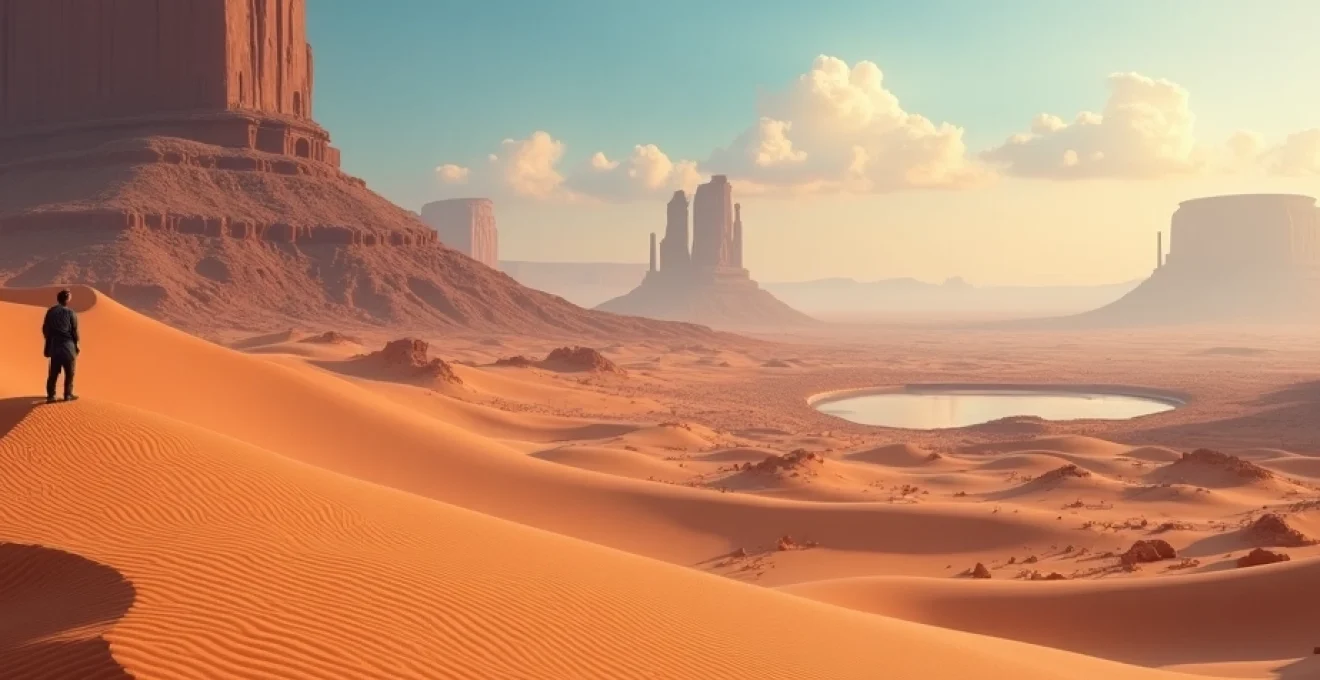
Desert landscapes captivate with their stark beauty, extreme conditions, and unique ecosystems. These arid regions, covering nearly one-fifth of the Earth’s surface, offer a mesmerising array of geological wonders, adapted flora and fauna, and rich cultural heritage. From towering sand dunes to ancient rock formations, deserts showcase nature’s resilience and creativity in the face of harsh environments. Let’s embark on a journey to discover the most spectacular desert landscapes across the globe, examining their formation, biodiversity, and significance to human civilisation.
Geomorphology of iconic desert landscapes
The diverse geomorphology of deserts is a testament to the powerful forces of wind, water, and time. These landscapes are shaped by erosion, deposition, and tectonic activity, resulting in a stunning variety of landforms that continue to evolve over millennia. Understanding the processes behind these formations provides insight into the dynamic nature of desert ecosystems and their role in Earth’s geological history.
Sand dune formation in the sahara’s grand erg oriental
The Grand Erg Oriental, located in the eastern Sahara, is home to some of the world’s most impressive sand dunes. These massive accumulations of sand, shaped by wind patterns, can reach heights of over 300 metres. The formation of these dunes is a complex process involving wind direction, sand particle size, and topography. As wind blows across the desert surface, it picks up loose sand particles and deposits them on the leeward side of obstacles, gradually building up dunes over time.
The Grand Erg Oriental showcases various dune types, including barchan, linear, and star dunes. Barchan dunes, characterised by their crescent shape, form in areas with unidirectional winds. Linear dunes, elongated ridges that run parallel to the prevailing wind direction, can stretch for hundreds of kilometres. Star dunes, with their distinctive radiating arms, develop in areas with multidirectional winds. These diverse dune formations create a mesmerising landscape that continually shifts and evolves.
Erosional processes shaping wadi rum’s sandstone monoliths
Wadi Rum, often referred to as the Valley of the Moon , is a desert wonderland in southern Jordan. Its iconic landscape is dominated by towering sandstone monoliths, sculpted over millions of years by wind and water erosion. These dramatic rock formations, some reaching heights of 1,500 metres, stand as silent sentinels in the vast desert expanse.
The erosional processes at work in Wadi Rum are primarily driven by differential weathering. Softer layers of sandstone erode more quickly than harder layers, creating unique shapes and patterns in the rock face. Wind-blown sand particles act as natural sandblasting agents, further sculpting the rock surfaces. Water, although scarce, plays a crucial role during rare rainfall events, carving out canyons and creating smooth, wave-like patterns on rock walls.
Playa lake ecosystems in the salar de uyuni salt flats
The Salar de Uyuni in Bolivia is the world’s largest salt flat, covering an area of over 10,000 square kilometres. This extraordinary landscape is the result of transformations in ancient lakes. Thousands of years ago, the area was covered by a massive lake that eventually dried up, leaving behind a thick crust of salt minerals. During the rainy season, a thin layer of water covers the salt flat, creating a surreal, mirror-like surface that reflects the sky and surrounding mountains.
The unique ecosystem of the Salar de Uyuni supports specialised microorganisms adapted to the high salinity and intense UV radiation. These extremophiles play a crucial role in the biogeochemical cycles of the region. The salt flat also serves as a breeding ground for several flamingo species, which feed on the algae and small crustaceans that thrive in the mineral-rich environment.
Biodiversity adaptations in extreme arid environments
Desert ecosystems, despite their harsh conditions, are home to a remarkable array of plant and animal species that have evolved ingenious adaptations to survive. These organisms demonstrate nature’s ability to thrive in even the most challenging environments, showcasing a diverse range of survival strategies that continue to fascinate scientists and nature enthusiasts alike.
Xerophytic flora of the atacama desert
The Atacama Desert, stretching along the Pacific coast of South America, is renowned as one of the driest places on Earth. Despite receiving less than 1 mm of rainfall annually in some areas, the Atacama supports a variety of xerophytic plants that have adapted to extreme water scarcity. These plants employ various strategies to conserve water and maximise resource utilisation in the harsh desert environment.
One notable example is the Copiapoa cinerea , a globular cactus species endemic to the Atacama. This remarkable plant has evolved a spherical shape to minimise surface area and reduce water loss through evaporation. Its thick, waxy cuticle and reduced leaf surface area further contribute to water conservation. The cactus can also enter a state of dormancy during prolonged dry periods, allowing it to survive for years without rainfall.
Other xerophytic adaptations observed in Atacama flora include:
- Deep root systems that tap into underground water sources
- Specialised tissues for water storage
- Trichomes (hair-like structures) that reflect sunlight and trap moisture
- CAM (Crassulacean Acid Metabolism) photosynthesis, which allows plants to open their stomata at night to reduce water loss
Nocturnal fauna in australia’s gibson desert
The Gibson Desert, located in Western Australia, is home to a diverse array of nocturnal animals that have adapted to the extreme heat and aridity of the region. By adopting a nocturnal lifestyle, these creatures avoid the scorching daytime temperatures and take advantage of the cooler night air to conserve energy and water.
One of the most iconic nocturnal inhabitants of the Gibson Desert is the bilby (Macrotis lagotis), also known as the rabbit-eared bandicoot. This marsupial has evolved large, distinctive ears that help dissipate heat and enhance its hearing capabilities for detecting prey and predators in the dark. The bilby’s powerful forelimbs and sharp claws allow it to dig burrows up to 2 metres deep, providing shelter from the heat and protection from predators during the day.
Other notable nocturnal adaptations in Gibson Desert fauna include:
- Efficient kidney function in desert rodents to conserve water
- Enhanced night vision in nocturnal predators like the mulgara (Dasycercus cristicauda)
- Specialised echolocation abilities in desert-dwelling bats
- Burrowing behaviour in reptiles like the pygmy desert monitor (Varanus eremius) to escape extreme temperatures
Microbial life in the namib desert’s fog-dependent ecosystems
The Namib Desert, stretching along the Atlantic coast of southern Africa, is home to unique fog-dependent ecosystems that support a diverse array of microbial life. These microorganisms have evolved to harness the moisture from coastal fog, which rolls in from the ocean and provides a vital source of water in this hyper-arid environment.
One fascinating example of microbial adaptation in the Namib Desert is the presence of hypolithic cyanobacteria . These photosynthetic microorganisms colonise the undersides of translucent quartz pebbles, creating miniature oases of life. The quartz acts as a natural greenhouse, trapping moisture from fog and providing protection from intense UV radiation. These microbial communities play a crucial role in nitrogen fixation and primary production, supporting the broader desert ecosystem.
The remarkable adaptations of desert organisms showcase nature’s ingenuity in the face of extreme environmental challenges, highlighting the importance of preserving these unique ecosystems for future study and conservation.
Cultural significance and human habitation in desert regions
Deserts have played a significant role in human history, shaping cultures, traditions, and ways of life for millennia. Despite their harsh conditions, these arid landscapes have been home to diverse civilisations, each developing unique strategies for survival and cultural expression. The interaction between humans and desert environments has resulted in fascinating architectural innovations, sustainable practices, and rich cultural heritage.
Bedouin nomadic traditions in the arabian desert
The Bedouin people of the Arabian Desert have developed a nomadic lifestyle that has allowed them to thrive in one of the world’s most challenging environments for thousands of years. Their deep connection to the desert landscape is reflected in their cultural practices, social structures, and traditional knowledge.
Bedouin communities have honed their survival skills through generations of desert living. Their expertise in tracking water sources, navigating by the stars, and predicting weather patterns has been crucial for their survival. The traditional black tent , or bait al-sha'ar , is a marvel of desert engineering, providing shelter from the sun and sandstorms while allowing air circulation to keep the interior cool.
Key aspects of Bedouin culture shaped by the desert environment include:
- A strong oral tradition, preserving history and knowledge through poetry and storytelling
- The importance of hospitality, ensuring survival through mutual aid in the harsh desert
- Traditional camel husbandry, providing transportation, food, and materials for shelter
- Sustainable resource management practices, developed over centuries of desert living
Ancient pueblo cliff dwellings in the sonoran desert
The Sonoran Desert, spanning parts of the southwestern United States and northwestern Mexico, is home to remarkable archaeological sites that offer insight into ancient desert civilisations. The cliff dwellings of the Ancestral Puebloans, such as those found in Mesa Verde National Park, showcase ingenious architectural solutions for living in arid environments.
These ancient structures, built into the sides of steep cliffs, provided natural insulation from extreme temperatures and protection from both human and animal threats. The Puebloans developed sophisticated water management systems, including reservoirs and check dams, to capture and store precious rainwater. Their agricultural practices, such as terraced farming and the cultivation of drought-resistant crops, allowed them to sustain large populations in the desert landscape.
The cultural significance of these cliff dwellings extends beyond their practical functions. Many sites feature intricate rock art and ceremonial spaces, offering glimpses into the spiritual and artistic life of these ancient desert dwellers. The preservation of these archaeological treasures provides valuable insights into sustainable desert living and the rich cultural heritage of the region.
Modern sustainable architecture in dubai’s urban desert landscape
Dubai, a modern metropolis rising from the Arabian Desert, represents a bold experiment in urban desert living. The city’s innovative architecture and infrastructure showcase how contemporary technology and design can address the challenges of extreme desert environments while creating a thriving urban centre.
One striking example of sustainable desert architecture in Dubai is the Masdar City project. This planned city aims to be one of the world’s most sustainable urban developments, incorporating cutting-edge technologies to minimise energy consumption and water usage. Key features of Masdar City’s design include:
- Passive cooling systems inspired by traditional Arabic wind towers
- Solar panels and concentrated solar power plants for renewable energy generation
- Water recycling and desalination facilities to maximise water efficiency
- Green spaces and vertical gardens to mitigate the urban heat island effect
Dubai’s iconic Burj Khalifa , the world’s tallest building, also incorporates innovative desert-adapted design elements. Its Y-shaped floor plan maximises views of the Persian Gulf while minimising solar gain. The building’s exterior is clad in reflective glass and aluminium panels to reduce heat absorption, and its sophisticated air conditioning system uses chilled water to cool the interior efficiently.
The evolution of desert architecture, from ancient cliff dwellings to modern skyscrapers, demonstrates humanity’s ongoing quest to adapt to and thrive in challenging environments, pushing the boundaries of innovation and sustainability.
Climate patterns and meteorological phenomena of desert biomes
Desert biomes are characterised by extreme climate patterns and unique meteorological phenomena that shape their landscapes and ecosystems. Understanding these climatic factors is crucial for comprehending the challenges faced by desert-dwelling organisms and the potential impacts of global climate change on these sensitive environments.
Dust storms and haboobs in the gobi desert
The Gobi Desert, spanning parts of northern China and southern Mongolia, is renowned for its intense dust storms and haboobs. These powerful meteorological events play a significant role in shaping the desert landscape and have far-reaching environmental impacts.
Dust storms in the Gobi are primarily caused by strong winds picking up loose soil and sand particles from the arid surface. These storms can transport vast quantities of dust over long distances, sometimes reaching as far as North America. The frequency and intensity of Gobi dust storms have increased in recent years, likely due to a combination of climate change and human activities such as overgrazing and deforestation.
Haboobs, a specific type of intense dust storm, are particularly dramatic phenomena in the Gobi Desert. These wall-like storms can reach heights of over 1,000 metres and move at speeds of up to 100 km/h. Haboobs form when cold, dense air from thunderstorms or cold fronts hits the ground and spreads outward, picking up loose sand and dust particles along the way.
The impacts of dust storms and haboobs in the Gobi Desert include:
- Soil erosion and loss of fertile topsoil
- Reduced air quality and associated health risks for local populations
- Damage to infrastructure and disruption of transportation
- Long-distance transport of minerals and nutrients, potentially benefiting distant ecosystems
Temperature extremes and thermal adaptations in death valley
Death Valley, located in the Mojave Desert of California, is renowned for its extreme temperature fluctuations and holds the record for the highest reliably recorded air temperature on Earth at 56.7°C (134°F). These thermal extremes present significant challenges for both flora and fauna, driving the evolution of remarkable adaptations.
The intense heat in Death Valley is primarily due to its low elevation, enclosed topography, and lack of vegetation. The valley floor, situated below sea level, traps hot air and prevents cooling. During summer months, daytime temperatures regularly exceed 45°C (113°F), while winter nights can drop below freezing.
Organisms in Death Valley have developed various strategies to cope with these temperature extremes:
- Desert bighorn sheep have evolved efficient cooling systems and can withstand water loss of up to 30% of their body weight
- The desert pupfish can survive in water temperatures ranging from near freezing to over 40°C (104°F)
- Creosote bushes have developed deep root systems and waxy leaves to minimise water loss
- Some desert animals, like the kangaroo rat , can survive without drinking water, obtaining moisture from their food
Fog harvesting techniques in the negev desert
The Negev Desert in southern Israel experiences a unique climatic phenomenon known as fog harvesting . This innovative water collection technique has been developed to address water scarcity in the region and has potential applications in other arid environments worldwide.
Fog harvesting in the Negev takes advantage of the coastal fog that rolls in from the Mediterranean Sea. Special mesh nets are erected to capture water droplets from the fog as it passes through. The collected water then drips down into collection troughs, providing a sustainable source of freshwater in an otherwise arid environment.
The effectiveness of fog harvesting in the Negev Desert is due to several factors:
- The region’s topography, which funnels fog inland from the coast
- The design of the mesh nets, optimised to capture maximum water from the fog
- The frequency of fog events, particularly
during the winter months
The benefits of fog harvesting in the Negev Desert include:
- Providing a sustainable water source in an arid region
- Low energy requirements compared to desalination
- Minimal environmental impact
- Potential for scaling up to meet larger water needs
The innovative use of fog harvesting in desert regions demonstrates how creative solutions can help address water scarcity issues in arid environments, offering hope for sustainable water management in the face of climate change.
Conservation efforts and ecological challenges in fragile desert ecosystems
Desert ecosystems, despite their apparent harshness, are incredibly fragile and face numerous threats from human activities and climate change. Conservation efforts in these regions are crucial for preserving unique biodiversity, maintaining ecological balance, and ensuring the sustainability of human communities that depend on desert resources. However, these efforts often face significant challenges due to the extreme conditions and complex interactions within desert ecosystems.
Protecting endemic species in the kalahari desert’s transfrontier park
The Kgalagadi Transfrontier Park, straddling the border between South Africa and Botswana, is a prime example of international cooperation in desert conservation. This vast protected area, encompassing much of the southern Kalahari Desert, is home to numerous endemic species adapted to the harsh desert environment. Conservation efforts in the park focus on maintaining the delicate balance of this ecosystem while allowing for sustainable tourism and research activities.
Key conservation initiatives in the Kgalagadi Transfrontier Park include:
- Anti-poaching measures to protect vulnerable species like the black-maned Kalahari lion
- Habitat restoration projects to combat desertification and maintain critical water sources
- Research programs monitoring population dynamics of key species such as the gemsbok and meerkat
- Community-based conservation efforts involving local San and Mier communities
One of the major challenges in protecting the Kalahari’s endemic species is the impact of climate change. Rising temperatures and changing rainfall patterns threaten to alter the delicate balance of the desert ecosystem. Researchers are working to understand how these changes might affect species distribution and survival, with a focus on developing adaptive management strategies.
Combating desertification in china’s taklamakan desert
The Taklamakan Desert in western China is one of the world’s largest shifting sand deserts and a major source of dust storms affecting East Asia. In recent decades, China has launched ambitious efforts to combat desertification and stabilize the desert’s expanding borders. These initiatives aim to protect both the fragile desert ecosystem and the surrounding agricultural lands that are vital for food security.
Key strategies employed in the Taklamakan Desert include:
- Large-scale afforestation projects using drought-resistant species like the saxaul
- Implementation of straw checkerboard barriers to stabilize sand dunes
- Development of water-efficient irrigation systems for oasis agriculture
- Research into desert ecosystem dynamics and sustainable land management practices
While these efforts have shown some success in slowing the desert’s expansion, challenges remain. The massive scale of the Taklamakan and the ongoing effects of climate change make long-term success uncertain. Additionally, there are concerns about the ecological impact of introducing non-native plant species and altering natural desert processes.
Sustainable tourism initiatives in jordan’s dana biosphere reserve
The Dana Biosphere Reserve in southern Jordan is a model for sustainable ecotourism in desert environments. This protected area encompasses a remarkable diversity of landscapes, from sand dunes to sandstone cliffs, and is home to numerous rare and endangered species. The reserve’s management strategy focuses on balancing conservation goals with the economic needs of local communities through carefully managed tourism initiatives.
Sustainable tourism practices in the Dana Biosphere Reserve include:
- Community-run ecolodges that provide income for local residents while minimizing environmental impact
- Guided hiking and wildlife viewing tours led by trained local guides
- Handicraft workshops supporting traditional Bedouin crafts and providing alternative livelihoods
- Environmental education programs for visitors and local school groups
The success of Dana’s sustainable tourism model has not been without challenges. Balancing increased visitor numbers with conservation goals requires careful management and ongoing monitoring of ecological impacts. Additionally, ensuring equitable distribution of tourism benefits among local communities remains an important consideration.
The conservation efforts in these diverse desert ecosystems highlight the importance of integrating scientific research, community involvement, and sustainable economic practices to protect fragile desert environments for future generations.