Planning a luxury family holiday Île de Ré style is less about chasing “perfect” and more about locking in the right basics early: season, village, accommodation type, and day-to-day logistics that keep both kids and adults happy. The island is compact, but choices (and crowds) can change your experience quickly—especially as peak weeks approach.
The goal of this plan is simple: you make a few high-impact decisions in the right order, then you book what matters most before the high season compresses availability. Throughout, I’ll keep each recommendation filtered through two lenses: grown-up comfort (space, quiet, good food) and child-friendly reality (sleep, snacks, short transfers, and easy activities).
Your step-by-step plan for a high-end, family-friendly Île de Ré trip
- Choose timing first: shoulder months can feel calmer than peak weeks while still being beach-friendly.
- Pick a base village around your “daily rhythm”: beach-first, cycling-first, or markets-and-dining-first.
- Decide accommodation type: villa/gîte for space and naps; premium campsite for on-site facilities and easy kid entertainment.
- Sort transport: decide early whether you’ll bring a car over the bridge or rely mostly on bikes.
- Book the stress points early: accommodation, bike hire, and any must-do tables/experiences in busy periods.
When Is the Best Time for a Luxury Family Stay on Île de Ré?
Direct answer: For many families, May–June and September are the easiest windows to balance comfort and practicality: you often get a calmer feel than peak summer, while keeping days long enough for beaches and bike rides.
Peak summer can still be fantastic—especially if school calendars leave you no choice—but it’s when you’re most likely to feel the pinch on availability (the “best stock” of family villas, bigger gîtes, and well-located rentals goes first). That’s where luxury can become stressful if you’re booking late: you may end up compromising on layout, parking, or distance to the beach—exactly the details that matter with children.
If you’re deciding between a busy August week and a September week, think in terms of your family’s tolerance for bustle. August can mean fuller roads and busier beaches; September can feel more breathable for parents while still keeping kids entertained with simple, outdoorsy days.
Family-first lens : Younger children usually do better when you can keep transitions short. Shoulder season often makes it easier to park, cycle, and eat out without long waits.
One reliable way to reduce surprises is to cross-check your dates against official destination guidance. The local tourist office outlines family-related standards and destination commitments through its certifications, including the national family label: Famille Plus label criteria explained.
How early should you book a high-end family holiday on Île de Ré?
Direct answer: If you’re targeting peak weeks or a very specific set-up (walk-to-beach, multiple bedrooms, heated pool, on-site kids’ facilities), plan to book as early as you can once you’ve fixed dates—because availability tends to tighten faster than it feels it “should” for an island.
I’m deliberately not giving a fixed number of months here because it changes by property type, exact village, and your non-negotiables. Use a practical rule instead: if you need both premium comfort for adults and predictable routines for children (quiet bedroom, blackout options, safe outdoor space), treat accommodation as your first booking milestone—before restaurants and activities.
Once you have accommodation held, you can build everything else around it: shorter cycle loops with small kids, beach access without a car shuffle, and calmer evenings for parents.
Choosing the Right Base: Villages and Accommodation Options
Direct answer: Choose your base by matching your family’s “daily pattern” to a village vibe (lively harbours vs quieter beaches), then pick the accommodation type that best supports naps, meals, and easy downtime.
Île de Ré has several well-known villages, each with a different feel—some more harbour-and-market oriented, others better suited to “beach, bike, repeat”. The local destination site presents the island’s main communes and visitor services; use that official framing to sanity-check what you’re expecting before you commit to a specific corner of the island.
From a luxury family travel perspective, the real differentiator is rarely “prettiness” (the island is consistently charming) but friction: how long it takes to reach a beach with towels and snacks, whether you can cycle safely from your front door, and how easy it is to grab groceries without turning it into a mission.
Which villages suit a luxury family stay best?
Direct answer: For most families, a strong “base” village is one where you can alternate adult-friendly evenings (harbour strolls, markets, good dining) with child-friendly days (short rides, easy beaches) without long drives.
To decide quickly, start with what your children need most each day, then layer adult preferences on top. For example, if your kids are happiest with predictable beach time, prioritise proximity to sand and a straightforward route—then look for an adult payoff nearby (a pleasant harbour walk or market).
- You want the easiest “walk/cycle to everything” rhythm:
Choose a base where daily essentials are close (bakery, small shops, a simple beach route) so adults can relax and kids don’t melt down during transfers.
- You’re travelling with very young children and nap logistics matter:
Prioritise a quieter setting and a home that supports downtime (garden/terrace, separate sleeping space), even if you do one “bigger” outing every other day.
- You’re travelling with older children/teens who need independence:
Look for a base with safe cycling access and varied activities nearby so everyone isn’t relying on the same plan.
Is a premium campsite worth it compared to renting a villa?
Direct answer: A villa or gîte is often best for privacy, space, and calm evenings; a premium campsite can be worth it if you want built-in facilities and easy child entertainment—while still keeping a higher-comfort standard.
The right answer depends on what “luxury” means in your family. For some, it’s a pool and a big kitchen where you can do breakfast slowly. For others, it’s not having to invent entertainment every afternoon because there are on-site facilities that work across ages.
To keep the comparison concrete, use this grid and circle what matters most for your crew.
| Decision factor | Family-friendly villa or gîte | Premium campsite |
|---|---|---|
| Sleep & naps | Often easier to control noise, light, and routine. | Can work well, but you’ll want to check layout and evening noise expectations. |
| Adult downtime | More privacy for quiet evenings and slow mornings. | Good if on-site amenities reduce planning; privacy varies by set-up. |
| Kid entertainment | You create the rhythm (beach, bikes, outings). | Facilities can make “low-effort fun” easier between bigger outings. |
| Logistics | Best if you value a home base for meals and laundry. | Best if you want services on hand and fewer decisions day-to-day. |
One more credibility check: on a departmental level, official tourism figures confirm there’s a large supply of self-catering rentals and campsites in Charente-Maritime, but they don’t break out luxury family pricing specifically—so don’t let anyone sell you “average luxury rates” as a fact. You can see the wider accommodation context in Charente-Maritime tourism key figures 2024.
Planning Activities That Work for All Ages
Direct answer: Build each day around one shared “anchor” activity (often cycling or the beach), then add one adult-leaning highlight (market/food) and one kid-friendly low-effort moment (playground, ice cream stop, tide exploration).
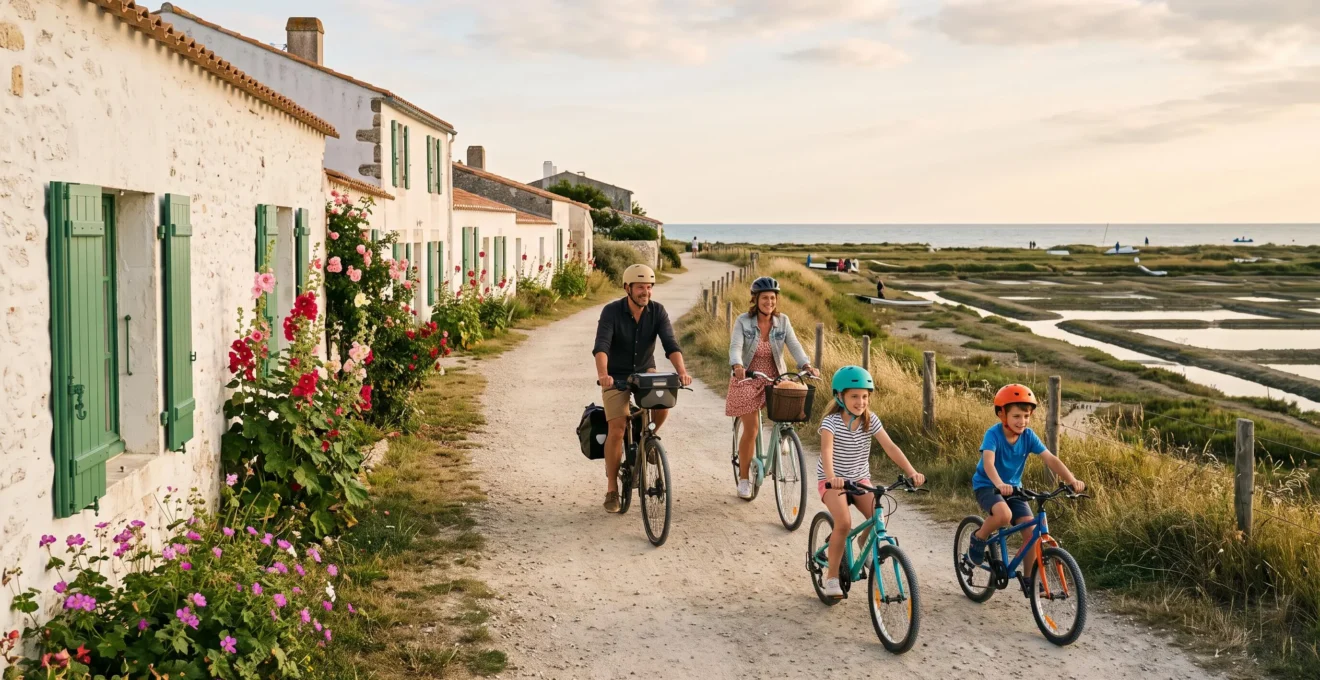
Cycling is the backbone activity for many families on Île de Ré because it scales well: little kids can ride short, flat stretches; older kids can go further; adults still feel like they’re exploring rather than “entertaining”. If cycling is central for you, plan accommodation with safe bike storage and an easy route out of the village—those two details save daily frustration.
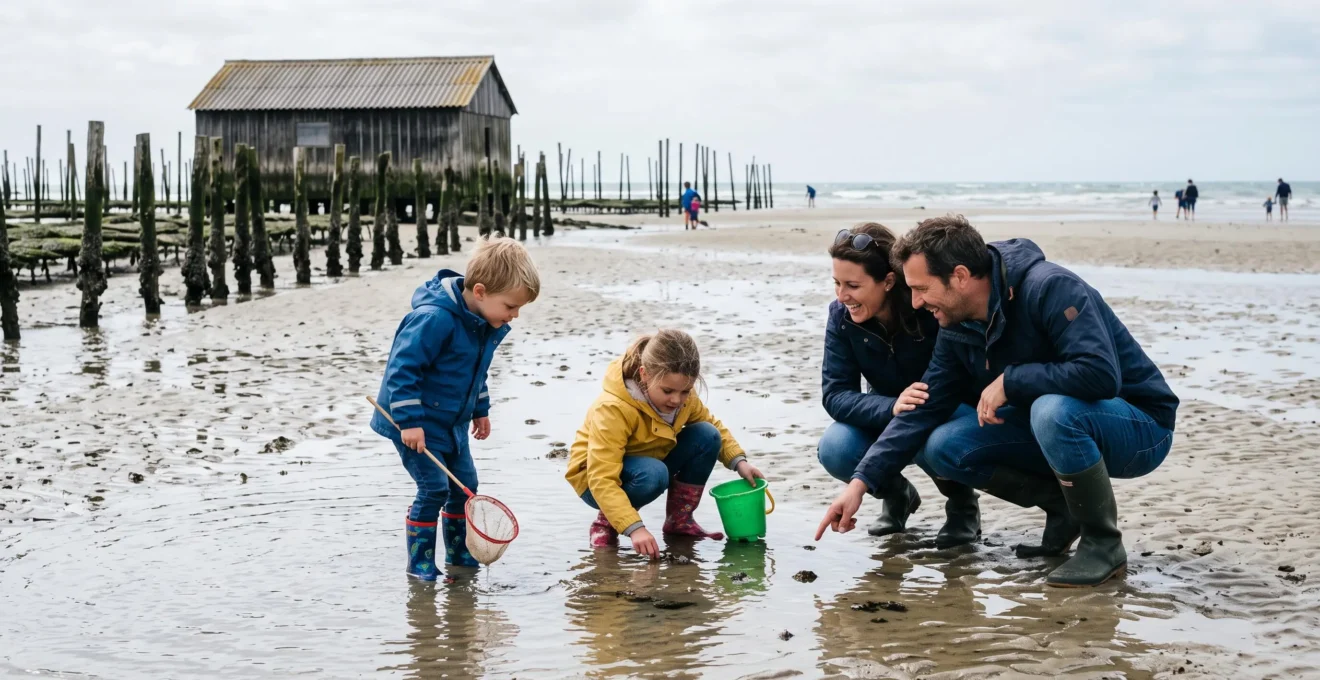
For beach days, the child-friendly win is keeping things simple: one accessible beach, a predictable snack plan, and a “stop while it’s still fun” mindset. Adults get more out of it too when you’re not constantly firefighting.
What does a balanced “luxury family” day look like in practice?
Direct answer: Aim for a morning that uses children’s energy, a low-effort afternoon (beach or pool), and an evening that’s enjoyable for adults without becoming too long for kids.
Cas pratique
Hypothetical example: you start with a gentle cycle loop to a market in the morning (kids get a “mission” to choose fruit for snacks). After lunch and downtime back at the accommodation, you do a short beach session timed around your children’s patience rather than a full-day marathon. In the evening, you keep dinner easy (early seating or takeaway-style options) so adults still enjoy local food while kids stay regulated.
If the weather turns, you’ll want a “rain plan” that doesn’t punish adults or kids. In practice, that means choosing accommodation with comfortable indoor space (not just “a place to sleep”) and keeping a short list of indoor-friendly options you can decide on quickly—especially if you’re travelling with toddlers.
Getting There and Getting Around Smoothly
Direct answer: The smoothest family logistics usually come from deciding early whether you’ll rely mostly on bikes (plus occasional taxis/transfers) or keep a car for flexibility—then booking around that choice.
Most family trips funnel through La Rochelle for rail and air connections, then continue to the island by road. If you’re arriving by train, the easiest low-stress path is: plan your transfer to your accommodation first (especially with car seats or lots of luggage), then organise bike hire once you know where you’ll actually be based.
If you’re driving onto the island, build the bridge crossing into your plan rather than treating it as an afterthought. The official bridge operator publishes seasonal toll rates; for example, the Île de Ré bridge toll varies by season and for light vehicles can rise to 16€ in high season (with lower rates outside peak periods). Check the current grid on Île de Ré bridge toll rates.
High-season traffic planning for families : If your children struggle with long car queues, aim to avoid “classic” arrival pinch points by travelling outside the most congested windows where you can.
Car or bikes: what’s the best way to get around with children?
Direct answer: Bikes are ideal for day-to-day exploring if your children are confident riders (or you have seats/trailers), while a car can be helpful for nap-friendly returns, grocery runs, and bad-weather pivots—especially with very young children.
A high-end family trip is about reducing daily negotiation. If bikes are your main transport, prioritise a base that lets you start cycling safely from your door and includes storage. If you keep a car, prioritise accommodation with simple parking and plan shorter outings so kids aren’t constantly strapped in.
Whichever you choose, keep your expectations realistic: the island can be simple, but it isn’t frictionless in peak periods. You’re aiming for a plan that protects children’s mood and adults’ patience at the same time.
What Should You Book in Advance for a Stress-Free Escape?
Direct answer: Book accommodation first, then transport logistics (including your preferred arrival plan), then bike hire; add any “must-do” dining experiences early if you’re travelling in peak weeks.
Luxury with kids often fails on small practical gaps: no bikes available in the right sizes, dinner options that don’t fit your children’s timing, or an accommodation layout that makes bedtime a battle. You avoid most of that by booking a few key items early and leaving the rest flexible.
- Lock the non-negotiables
Fix dates and secure your accommodation set-up (space, location, and child-friendly basics like safe outdoor areas and practical kitchens).
- Confirm your transport plan
Decide car vs mostly-bikes early, including arrival and transfer details if you’re coming via La Rochelle.
- Reserve bikes and kid equipment
If cycling is central to your trip, book bike hire early in busy periods so you can get the right sizes and accessories.
- Add adult highlights without exhausting the kids
Choose one or two food-focused evenings and keep the rest easy, so your children aren’t asked to “perform” every night.
- Pack for comfort, not perfection
Bring the small items that protect routines: sun protection, a beach shade option for little ones, and a simple snack system.
If you want extra ideas to keep routines steady across different ages (toddlers through teens), you can borrow a few principles from this internal guide on stress-free travel.

Where should a family stay on Île de Ré to combine luxury and child-friendly facilities?
Start by defining your family’s daily rhythm: beach-first, cycling-first, or market-and-dining-first. Then choose a village and accommodation that reduces friction for children (short distances, easy storage, calm sleep set-up) while still giving adults comfort (space, privacy, pleasant evenings).
When should we book our Île de Ré trip to get a good family villa?
Book as early as you can once dates are fixed, especially for peak weeks and for specific requirements like multiple bedrooms, walkable beach access, and quiet sleeping arrangements. Rather than chasing an exact timeline, treat accommodation as your first “stress reducer”, then plan everything else around it.
How do you balance adult experiences and children’s activities on Île de Ré?
Build each day around one shared anchor (cycling or a simple beach session), then add one adult-leaning moment (market, local food) and one child-friendly low-effort moment (playground stop, tide exploration). The balance comes from keeping transfers short and protecting downtime so evenings stay enjoyable for everyone.
What should be booked in advance before the high season?
Prioritise accommodation, then transport logistics (including whether you’ll bring a car over the bridge), then bike hire—especially if you need children’s sizes and equipment. In peak periods, add any must-do dining experiences early, and keep the rest of your schedule flexible to match children’s energy.
Once you’ve picked your dates and your base, you’ll find the rest of planning becomes refreshingly straightforward: you’re no longer juggling every option on the island, you’re shaping a week that works for your children’s rhythm and still feels genuinely high-end for adults. If your next step is narrowing down the right stay style, focus on space, location, and daily ease—they’re what make a luxury family escape feel effortless in real life.